


Product Quality
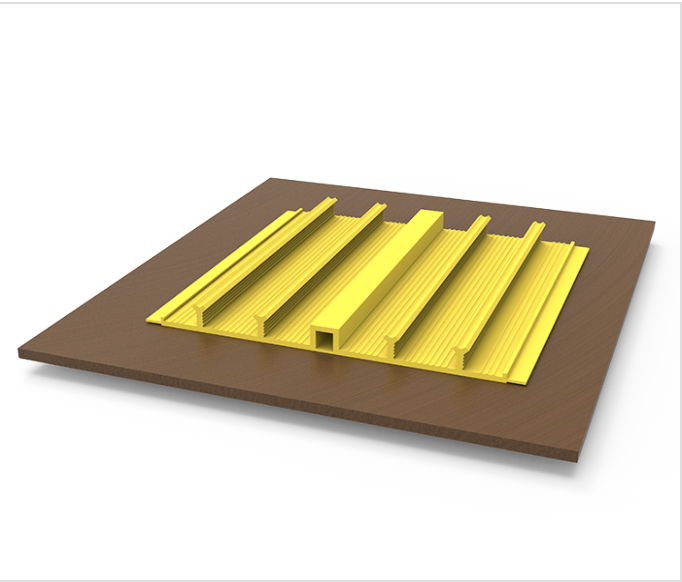
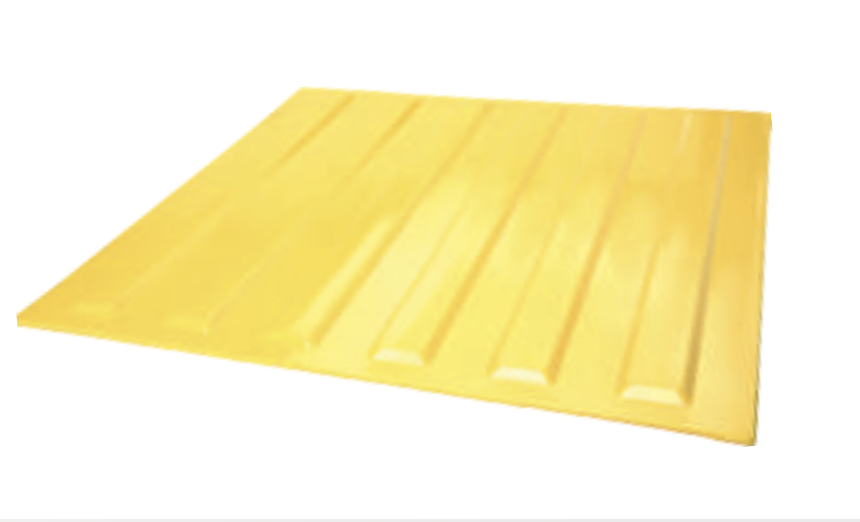
We build our product based on your project needs. We use only high-grade materials to ensure longevity and high standards for all our products.
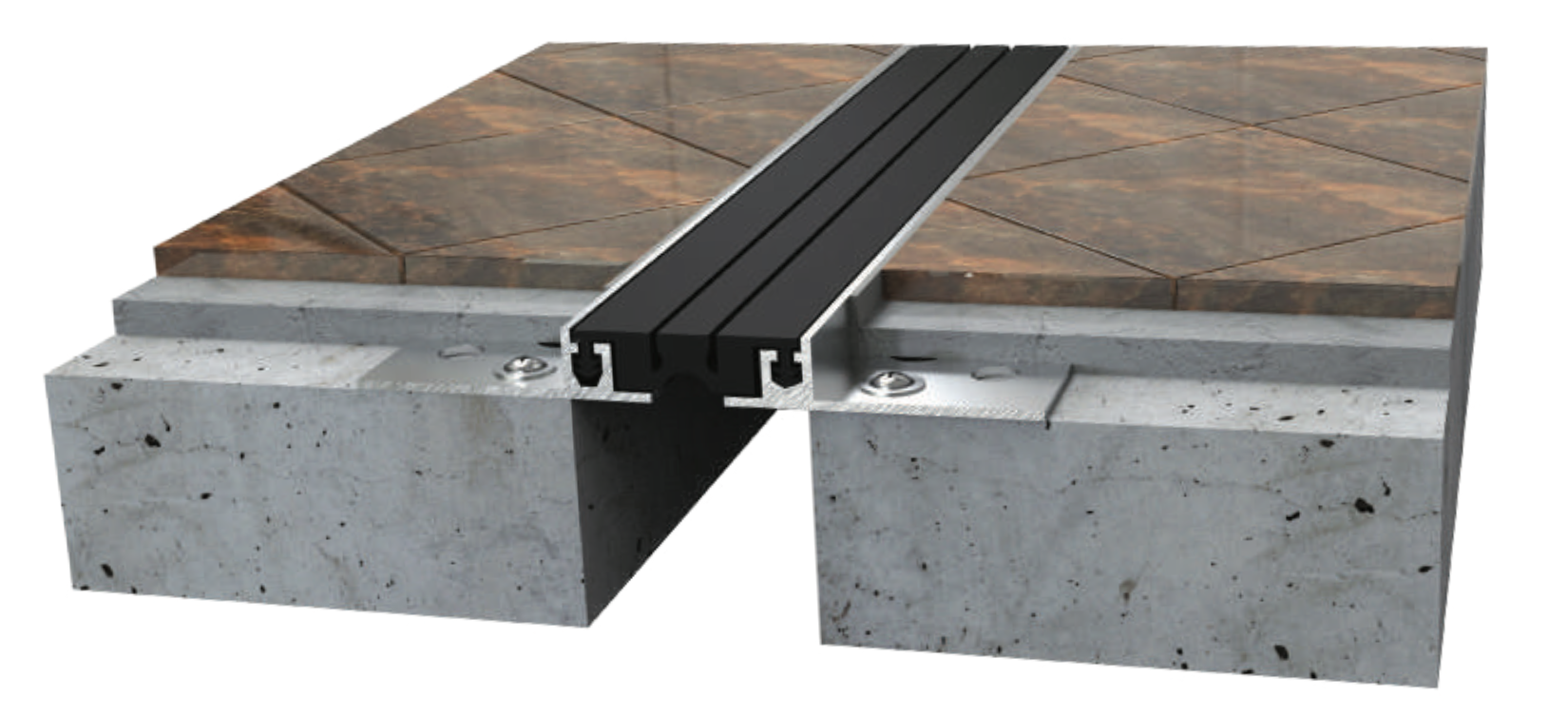
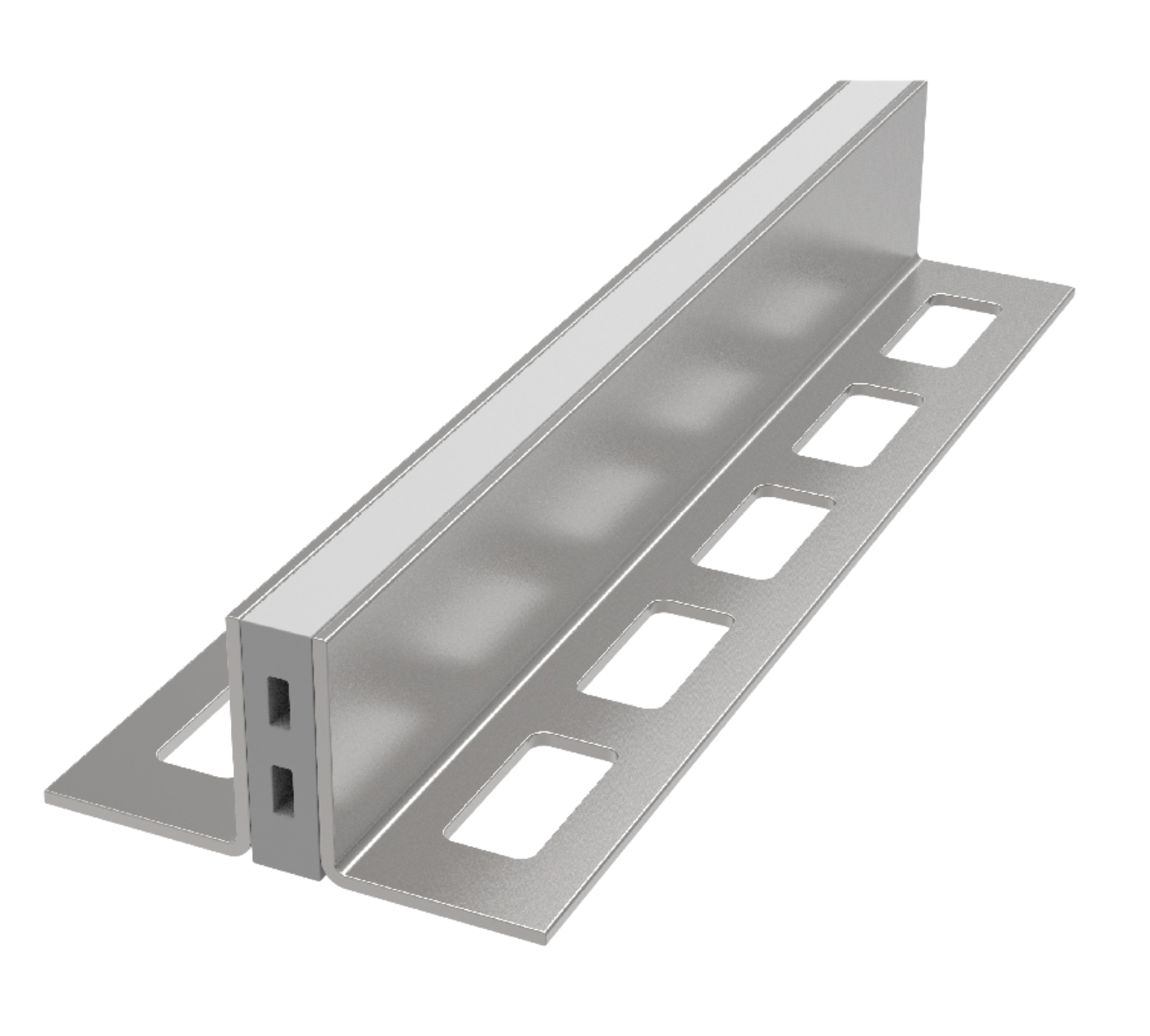
Expansion joints are used in the construction of various structures. They strengthen the entire structure and also serve to compensate for the difference from precipitation, from temperature changes, in a word, everything that invariably accompanies any construction.
Let's turn to the definition. An expansion joint is a vertical technological section that divides the structure, thereby forming separate blocks. This gives the building a greater degree of elasticity, reduces the acting forces on the coatings and architectural structures in the immediate vicinity. Sealing is required, for which the seams are filled with elastic insulating material.
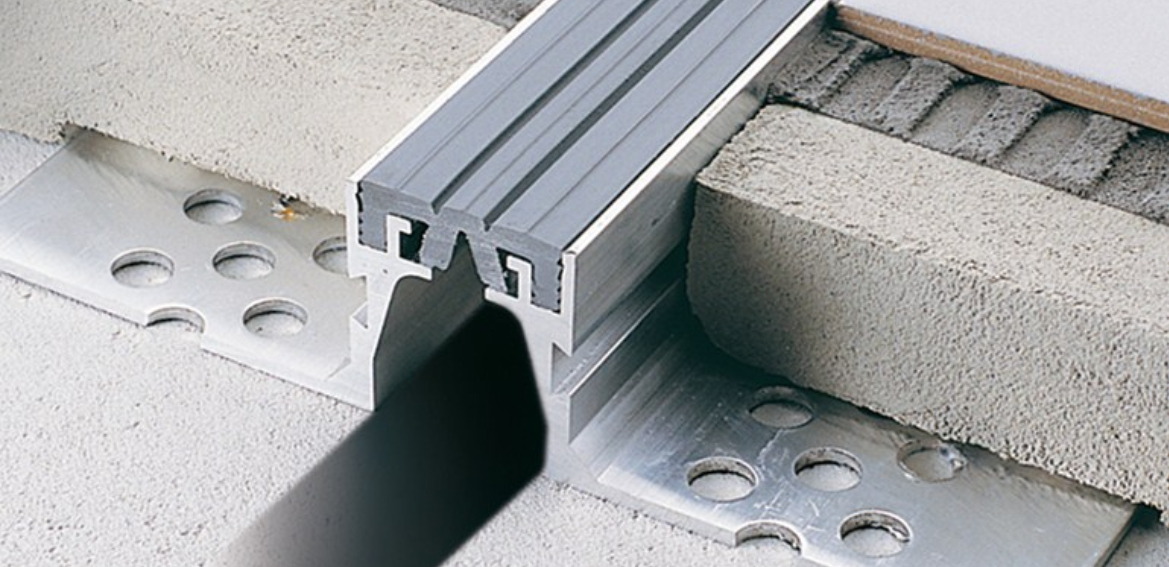
The technical parameters of the joints are indicated in the design documentation of buildings and structures.
The expansion joint reduces the load on structural elements in those places where deformation is possible, during seismic influences, temperature fluctuations and other phenomena that can cause their own loads, which reduce the bearing capacity.
The construction stage with the formation of expansion joints makes sense when designing extended structures, in areas of pronounced seismic activity, in areas where the soil is weak or the level of precipitation is high.
The main task of expansion joints is to ensure the safety of the structure from various influences on the building, destruction, shrinkage and unforeseen distortions in the soil.
Depending on the specifics of the technological solutions of the structure, natural, climatic, engineering and geological conditions of construction, external walls and other structures, if necessary, are dissected by expansion joints.
Types of expansion joints
Based on the functions, they can be divided into several types:
Sometimes for a number of reasons, primarily because of the different locations of the seams, they are used in combination, which perfectly protects against many causes of deformation.
This joint combination method is used when the soil under the foundation is prone to subsidence. Several types of seams are also used in the construction of houses of great length and at the same time high, where there are various structures and elements.
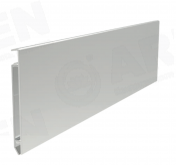
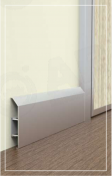
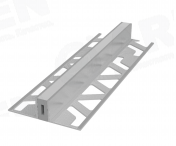
Let's consider separately each of the types of seams.
Expansion joints
Such seams divide the building into separate parts (compartments) and can be inclusively from the ground level to the roof. But such seams do not affect the foundation, it is located below ground level, there temperature fluctuations are less pronounced and do not undergo significant deformation. For use on wall surfaces only.
Expansion joints are made in extended walls to avoid cracks that appear when the temperature changes. The distance between them can vary from 20 to 200 meters, depending on the material from which the walls are made and the area of construction of the building. The width of the seam itself can be from 20 mm (minimum) and more, depending on the material of the walls and the design temperature of the winter period in the construction area.
Expansion joints are necessary even in urban buildings located in temperate climates, since temperature drops here especially affect buildings during the change of seasons. Cracks of various sizes and depths can often be seen on the walls of houses. This can lead to deformations of the structure box and base. It is in order to avoid such problems that the construction is divided by expansion joints during construction.
Expansion joints can be combined with sedimentary joints, this is done if necessary with the obligatory use of different types of expansion joints.
Such seams are called temperature-sedimentary.
Sedimentary seams
Some parts of the building may vary in height. In this case, the soil of the base under the parts of the building takes up different loads. The soil is deformed unevenly, which can provoke the appearance of cracks in the walls and other structures of the building. Another reason for the uneven subsidence of the foundation soil is the different composition and structure of the foundation itself within the building area. Therefore, in buildings of great length, even when the number of storeys is the same, sedimentary cracks can be observed. To avoid this, and such deformations are dangerous, sedimentary seams are used. Such seams cut structures during construction along the entire height, including affecting the foundation, which is what they differ from expansion joints.
That is, in houses where, on the one hand, there are three floors, and on the other four, it is sedimentary expansion joints that are suitable. They have a vertical shape, create fixation of all parts of the building, thereby protecting the house from destruction. After completion of the construction, the recess and its edges must be filled with sealant to protect against the ingress of water and dust particles. Use the usual means for sealing, which can be purchased at any hardware store.
It is important that the seam is completely filled with material, there should be no voids inside. On the surface of the walls, the seam is made of tongue-and-groove, the thickness will be about half of the brick, in the lower part - without the tongue. To prevent moisture from getting inside the building, it is necessary to equip a clay castle on the outside of the basement. So the sedimentary seam protects the building from destruction, and additionally seals, protecting the house from groundwater.
Such a seam must be used when there is a possibility of uneven subsidence of the foundation.
Shrinkage seams
Such seams are rarely used, for example, when erecting a monolithic concrete frame. Since concrete tends to become covered with cracks during hardening, then they can grow and form cavities. When there are a lot of such cracks in the foundation, the structure may not withstand and collapse.
To avoid this, a shrinkage joint is used, which must be done only before the foundation has completely hardened. The seam grows until the concrete hardens. So the concrete foundation shrinks completely and does not crack in the process. As soon as the concrete is completely dry, the cut must be stamped completely. The seam must be airtight, which is why, so that it does not allow moisture to pass through, special sealants and waterstops are used.
Seismic seams
These seams are also called anti-seismic, they are used in the construction of structures in areas of seismic activity, where there can be tsunamis, landslides, volcanic eruptions. Seams protect the building from destruction during various natural disasters, in particular from tremors.
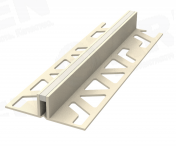
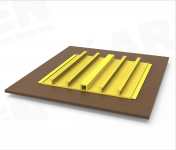
Such seams have their own design schemes. The design is based on the placement of separate, non-communicating "vessels" inside the building; along the perimeter, they are separated by expansion joints. In turn, the expansion joints are arranged in the form of a cube with equal edges. They are compacted with double masonry. In case of seismic activity, such a structure will be held by seams that will not allow the walls to collapse.
Where and how are the various expansion joints used?
Reinforced concrete structures are a holistic system that depends on environmental changes. For example, additional mutual pressure arises between the parts of such a structure due to soil settlement, temperature changes and sedimentary deformations. Changes in pressure lead to the appearance of defects such as: chips, cracks, dents. To reduce the pressure in houses of great length and number of storeys, sedimentary and temperature-shrinkage expansion joints are used. The level of flexibility of the column and joint materials will help determine the required joint spacing on the building surface.
There is no need to install expansion joints when there are rollable supports.
It is also important to remember that the lower the ambient temperature, the further the grooves should be from each other.
It is important to remember that sedimentary joints insulate different parts of the structure, while shrinkage joints penetrate the building from the roof to the base of the foundation.
In some cases, shrinkage joints are formed by installing several pairs of columns. And the temperature-shrinkage is usually the device of pairs of columns on a common foundation.
The sedimentary joint is also laid by installing several support columns facing each other. Then each of the columns must have its own foundation and fasteners. The seam must reliably fix the building elements, be sealed and protected from wastewater, resistant to temperature extremes, precipitation, withstand wear, shock, and mechanical stress.
Expansion joints must be laid in the case of uneven ground, different wall heights. The seams are insulated with mineral wool or polyethylene foam, which is necessary to protect the premises from the cold, dirt from the street, and to ensure sound insulation. Other insulation materials can be used. From the street, the seam is sealed with sealants or strips that protect against precipitation, and from the inside, each seam is made sealed with elastic materials.
When cladding with materials, the seams are not overlapped, and when finishing indoors, the expansion joint is covered with decorative elements at personal discretion.


