
Product Quality
We build our product based on your project needs. We use only high-grade materials to ensure longevity and high standards for all our products.
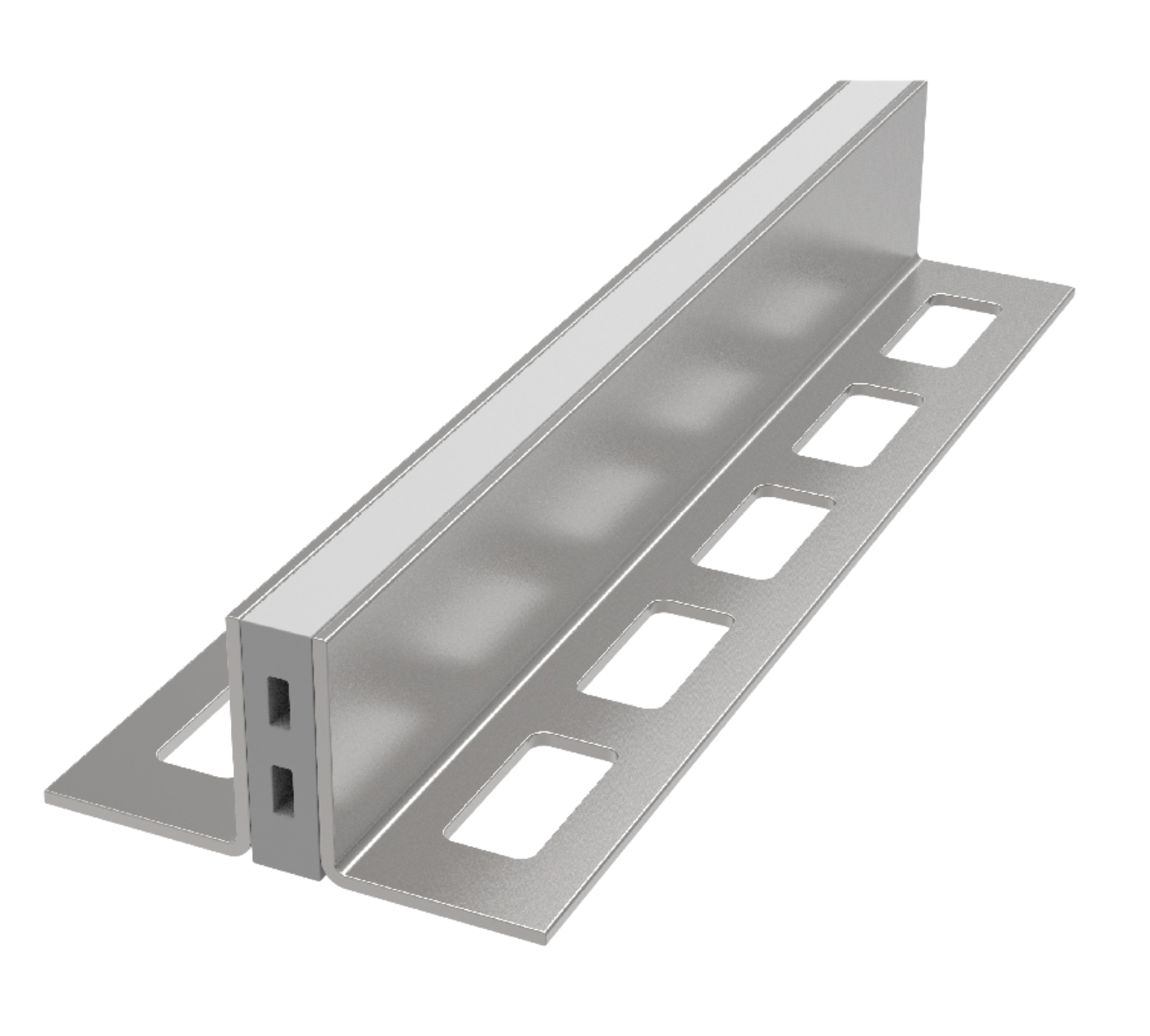
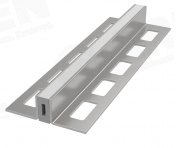
Construction deformation profiles, plane and corner ones are used in the process of insulation and cladding (plastering) of facades of public and residential buildings. This approach reduces the risks of mechanical damage and provides the coating with sufficient stability under increased operating loads and temperature changes in the environment caused by weather changes.
Application
It is known that all materials tend to expand when heated and contract when cooled. This natural phenomenon creates serious risks for violation of the integrity of building facades with the formation of multiple cracks and other defects that reduce the service life.
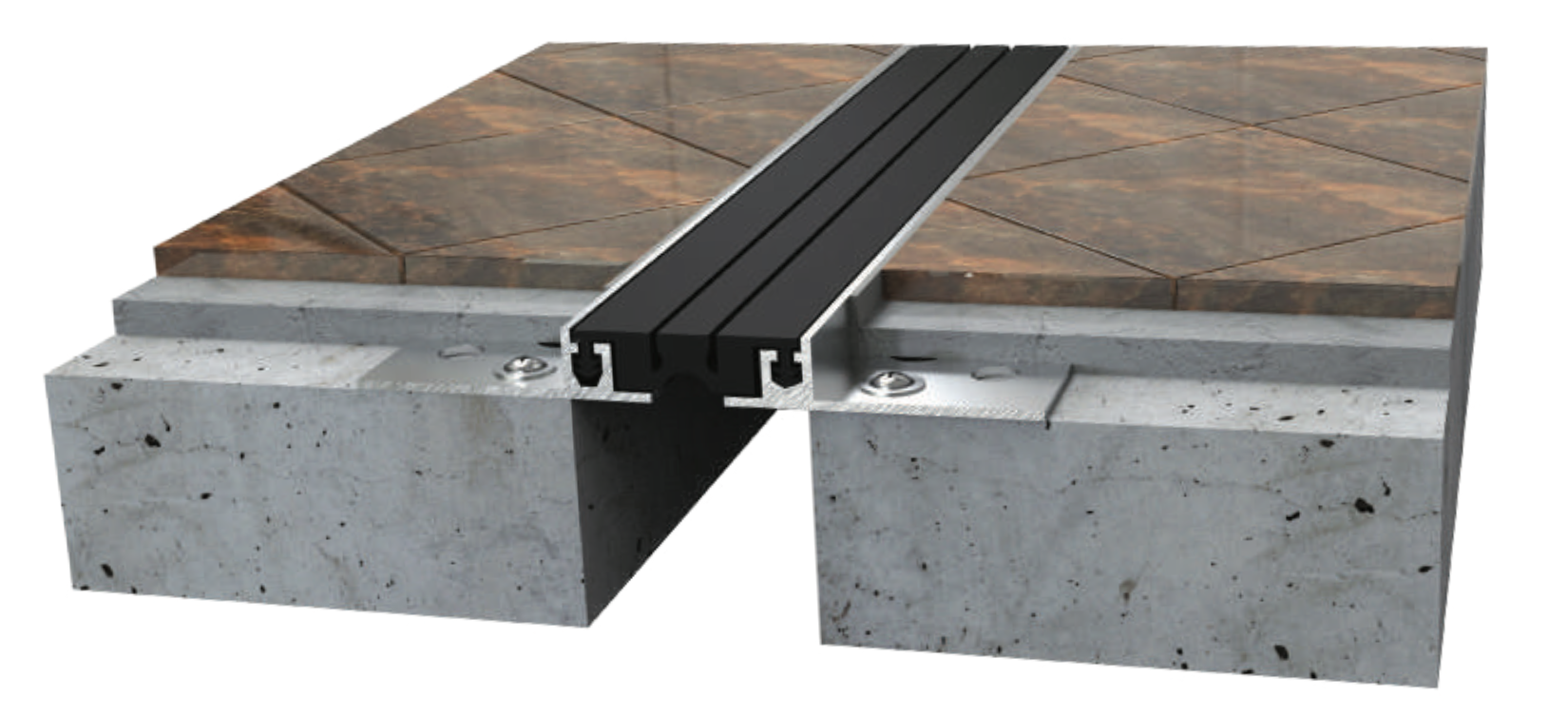
Therefore, according to SNIP, builders are obliged to arrange thermodynamic or expansion joints in the SFTK (contact insulation system), the pitch and dimensions of which depend on the degree of expansion of the materials used in the cladding and thermal insulation, with changes in the ambient temperature.
In order to give the surfaces stability and durability, the expansion joints are pre-coated with glue and reinforced with inserts:
Advantages
The described technological method provides the building facade with a number of advantages:
How it works?
According to the averaged norms, the deformation profiles are set at intervals of 10 m. In this case, the average compensation value, for example, will be 3 cm. , the outer surface will not undergo the slightest change.
Favorable offers for customers
On the page of the catalog, you are presented with the products of ARFEN, known both in the Russian Federation and abroad, for their excellent quality that meets the requirements of International Stanadards, the appropriate level of safety and favorable prices from the manufacturer.
By purchasing components from us, bypassing intermediaries, you save about 30% of money and, together with the products shipped in the shortest possible time, you get a reliable post-sales partner support.


